

Ofsted Inspection Updates
Ofsted has updated the way nurseries are inspected from 2025, with clearer report cards that show simple grades alongside short explanations of what each setting does well and where it can improve.
Nurseries are now graded on a five-point scale, Exceptional, Strong Standard, Expected Standard, Needs Attention and Urgent Improvement, across key areas such as teaching, early years care, children’s progress, inclusion, leadership, wellbeing, and behaviour.
Bishops Stortford’s New Ofsted Report
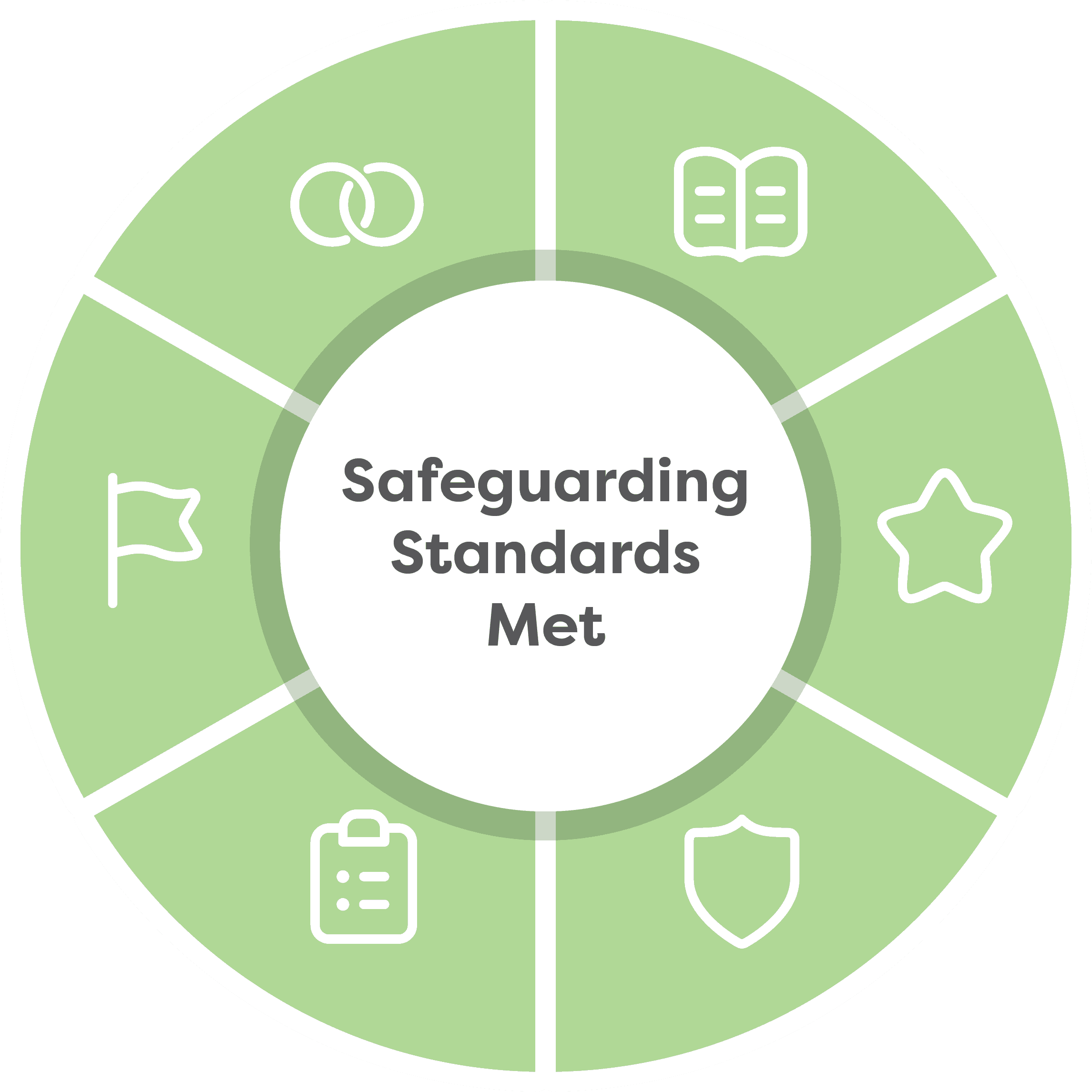
Monkey Puzzle Bishops Stortford received its first Ofsted inspection in April 2026, confirming that safeguarding standards were fully met and that children are kept safe and feel safe within the setting. The nursery achieved Expected Standard across all six key areas of inspection, reflecting the warm, nurturing care, ambitious curriculum and strong partnerships with families provided by the team. Parents and carers can read the full Ofsted report here to learn more about the inspectors’ findings.
New Ofsted Report

What Ofsted Highlighted
Children’s Welfare and Wellbeing – Expected Standard
Staff know every child well and provide warm, nurturing care that meets their individual needs, offering comfort and reassurance so children feel safe and settled. Secure safer sleep procedures are in place, with regular checks, logs and temperature monitoring to keep children safe. Children build independence through everyday routines, choosing their own water bottles, serving themselves at mealtimes and using cutlery with growing confidence. Mealtimes are sociable and well organised, with home-cooked, healthy meals and a varied diet, and staff encourage children to try new foods while modelling positive manners. Regular outdoor play, longer walks and opportunities to climb, balance and move in different ways support children’s physical development, while staff help children to express and begin to understand their emotions.
Achievement – Expected Standard
Children settle well across the nursery, with babies forming secure attachments that help them feel safe and begin their learning. Smooth transitions, supported by home visits, help children feel confident as they join the nursery and move between rooms. Children make steady progress from their individual starting points, developing their communication and language skills and becoming more confident in expressing their needs, sharing ideas and using new vocabulary in their play. As they move through the setting, children gain independence and confidence, make choices in their play and develop the skills they need for their next stage, with transitions on to school well supported so children feel prepared.
Behaviour, Attitudes and Establishing Routines – Expected Standard
Leaders have created a positive environment where children are content, understand expectations and follow instructions well. Children show positive attitudes towards their learning, particularly outdoors, where they spend long periods being creative and imaginative, making ‘potions’ in the mud kitchen, pouring water through guttering and building sandcastles using their own ideas. Relationships between staff and children are warm, with staff using eye contact and simple language to support communication with the youngest children. Babies begin to develop social skills, smiling, clapping and interacting alongside their peers, while older children collaborate, take turns and play together. Children enjoy group times and listen attentively to stories, with staff reading in an engaging way that encourages children to join in and promotes a love of reading.
Curriculum and Teaching – Expected Standard
Leaders have an ambitious vision for the curriculum, designing experiences around real-life opportunities that broaden children’s interests and understanding of the world. Children develop knowledge and skills through purposeful activities such as woodwork, where they learn to saw, chop and hammer safely, work collaboratively and begin to assess risk. Trips and visitors are a key part of nursery life, with regular walks to the local park and nature trails, sports sessions and visits from people in the community, such as the dentist. Staff interactions are warm and supportive, modelling language throughout the day so children become increasingly confident communicators. Outdoor learning is a real strength, with children benefiting from regular access to a well-planned environment that supports their physical development and engagement, and staff adapt experiences so that every child, including those with individual education plans, can take part.
Inclusion – Expected Standard
Leaders demonstrate a clear understanding of inclusive practice and are developing this across the setting, identifying and assessing children’s needs so staff can put strategies in place to reduce barriers to learning. Staff know children well and provide additional support, including sharing favourite books to help children regulate their emotions and behaviour. Additional funding is used effectively to support disadvantaged children, providing meaningful experiences and ensuring families receive the right support to access their early years education. Staff work closely with parents and carers, holding regular meetings, reviewing individual education plans, sharing strategies to support learning at home and signposting families to external agencies where needed. Children with special educational needs and/or disabilities benefit from a timely referral process, and leaders prioritise preparing children for school with systems in place to ensure smooth transitions.
Leadership and Governance – Expected Standard
Leaders and managers are reflective and dedicated, with a clear understanding of the nursery’s strengths and areas for development and a commitment to taking action that supports children’s learning and wellbeing. They make decisions in the best interests of all children, including those who are disadvantaged or have special educational needs and/or disabilities, working closely with families and external professionals to ensure the right support is in place. Partnerships with parents and carers are a priority, with clear communication and regular opportunities for parents to share their views, and parents speak highly of the trusting relationships they have and the daily updates they receive. Leaders consider staff wellbeing and workload, and have refined how children’s learning is tracked so staff can focus on more meaningful next steps. Staff speak positively about the support they receive through supervision, daily guidance, training and peer observations.
What it’s like to be a child at Monkey Puzzle Bishops Stortford
Children arrive happily and are welcomed into a warm and nurturing environment where they feel safe and secure. They form close relationships with staff, seeking them out for reassurance, cuddles and to share their ideas, which helps them settle quickly and develop a real sense of belonging. Staff know the children well, take time to understand their home lives and work closely with families to support each child’s needs. Children enjoy a range of engaging experiences and benefit from a wonderful outdoor space, talking enthusiastically about activities such as cooking that they share with their families at home, and taking part in extra opportunities like counting sessions and sports activities. They show curiosity and creativity as they explore, play and learn alongside their peers, build warm friendships and learn to cooperate. Over time, children develop confidence and independence, make progress in their communication and language, and build healthy habits such as being active, drinking water, spending time outdoors and enjoying healthy snacks, ready for their next stage of learning.